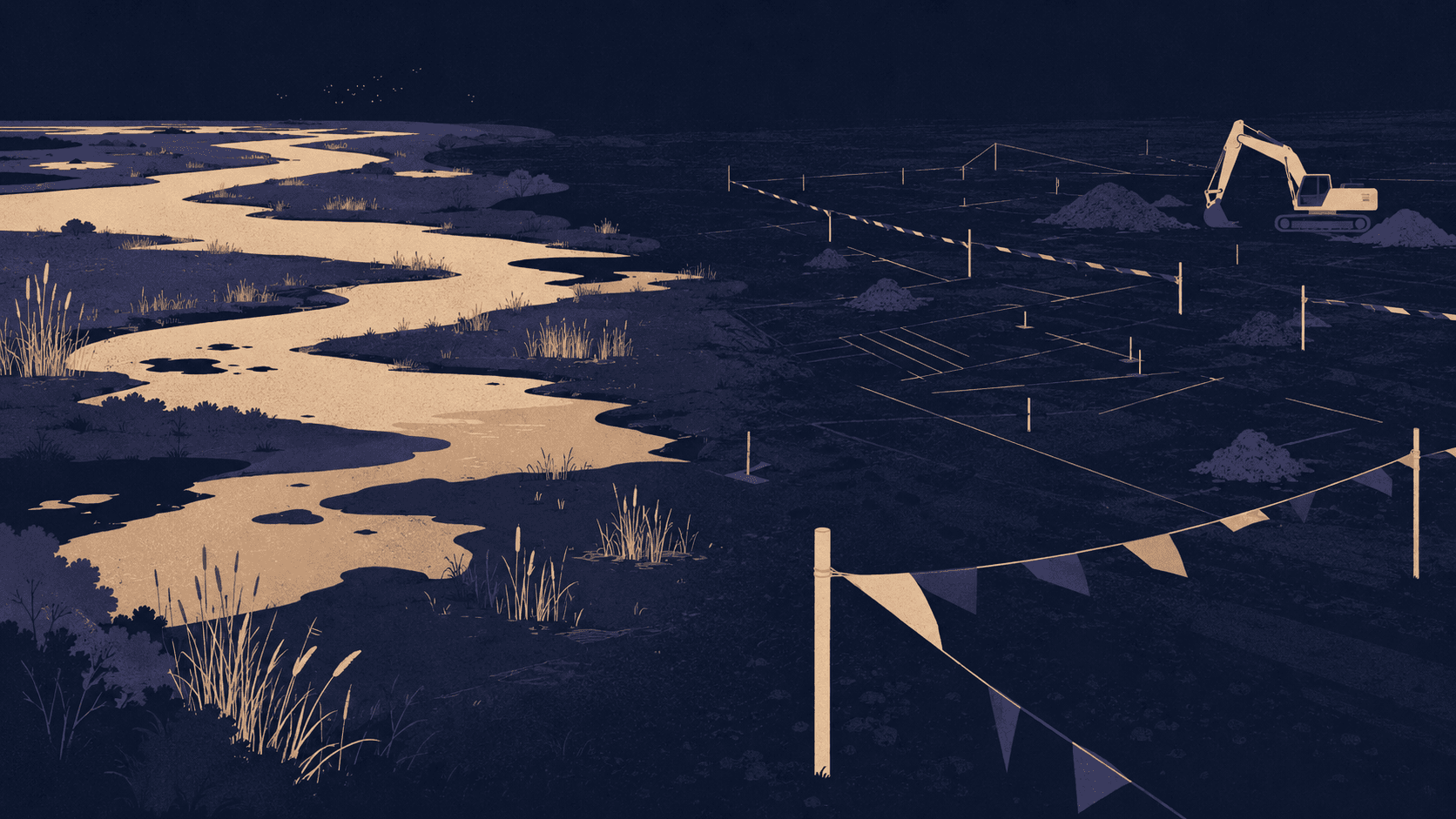
A $150M homebuilder project stalled for six months last year. Not because of financing, not because of zoning - because a wetland delineation report got rejected by the Army Corps of Engineers.
I was building land acquisition software for homebuilders like Pulte Group and NVR at the time. That project wasn't an outlier. It was the same failure mode I kept seeing: a report goes out for USACE review, something in it doesn't hold up against the field data, and the whole project resets while it's fixed and resubmitted.
So before writing a line of code, we ran the interviews. Through the NSF I-Corps program, I talked to environmental consultants, permitting professionals, and firms - Jacobs, Arcadis, SWCA, Capstone Infrastructure, rPlus Energies, Coda Consulting, and more - about how they actually catch errors before submission.
“Someone reads the report line-by-line against field notes, by eye, and hopes they didn't miss anything.”
What we heard, almost every time
Compliance rules are scattered across agencies and jurisdictions. Nothing catches the mistake systematically until a reviewer does - and by then it's too late. That's the problem Atlensa exists to fix. We review EAs, BAs, Phase I ESAs, wetland delineation reports, and related deliverables, flag every inconsistency with its exact location in the document, and let consultants fix and recheck before submission.
This isn't only a homebuilder problem. The AI industry runs into the same wall, just a few links further down the chain:
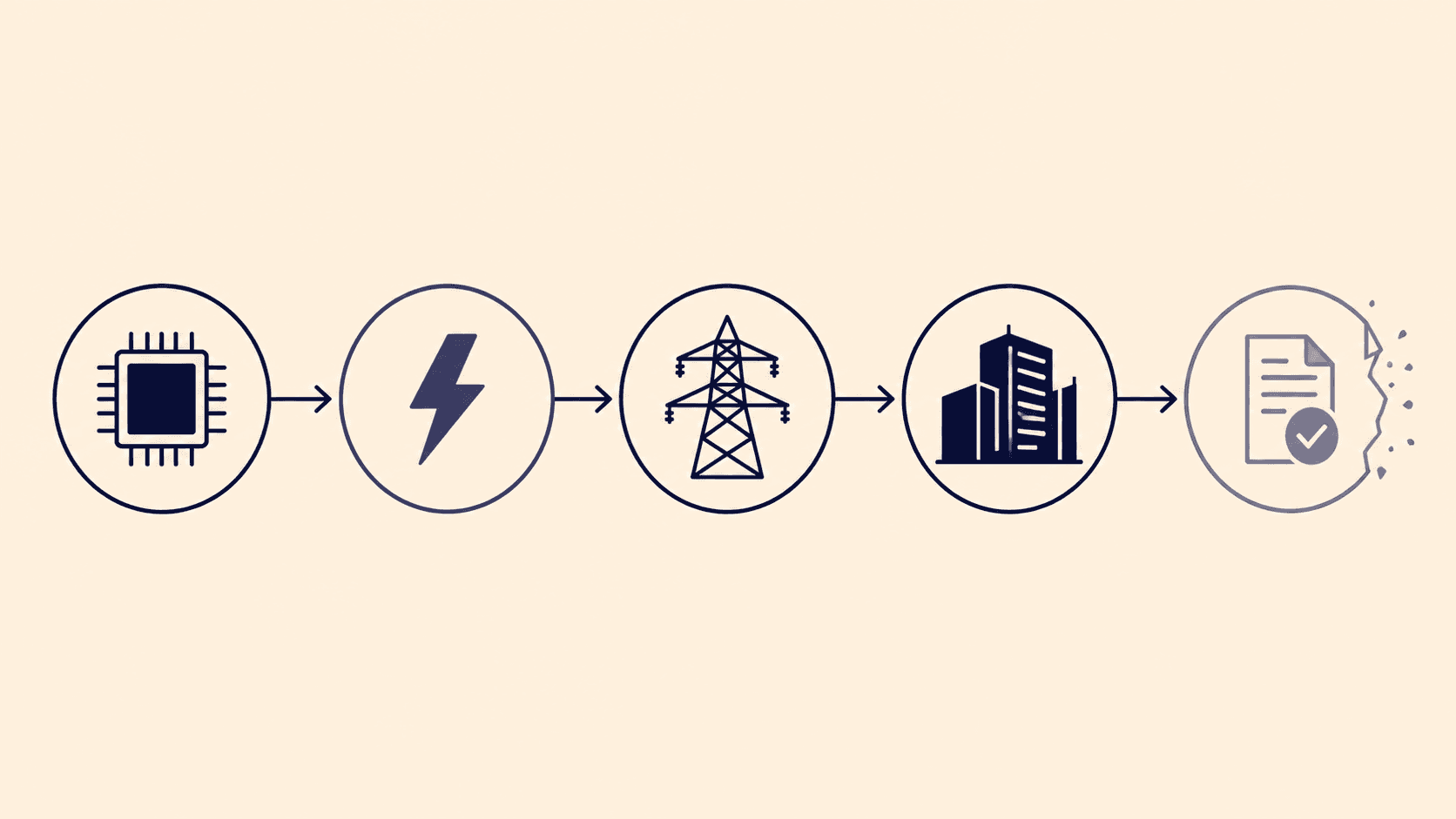
Every data center needs power. Every new power plant, substation, and transmission line needs a footprint - and an EA, BA, or wetland report before it can break ground. The U.S. Department of Energy puts the average NEPA review for clean energy projects at 4.5 years. That's not a technology problem. It's the same manual, error-prone review process that stalled a $150M homebuilder project, now standing between the country and the grid capacity AI needs to keep scaling.
Why This Blog
We're writing here as we build this out in the field with consultants, not as a marketing exercise. Expect three kinds of posts:
Regulatory Tracking
Agency guidance updates, NEPA and ESA changes, WOTUS, ASTM, court decisions like Sackett v. EPA, and what they actually mean for your next report.
Report QA Guidance
The specific inconsistencies we see trip up reports before submission, and how to catch them yourself.
Field Practice
Documentation habits, source-document checks, and field notes that hold up under review.
ClearPath / National Association of Manufacturers, 2025
We think a good chunk of that is preventable with better QA before submission, not after rejection. That's what we're building, and this blog is where we'll talk about it as it happens.
If you’re doing this work in the field and want to compare notes, reach out.
admin@atlensa.com